

Per chi volesse omaggiare il lato comico della vita.
“They started with breaking a cup. That was the first thing they did. They did that just to show you what they could do, and to get you interested.”
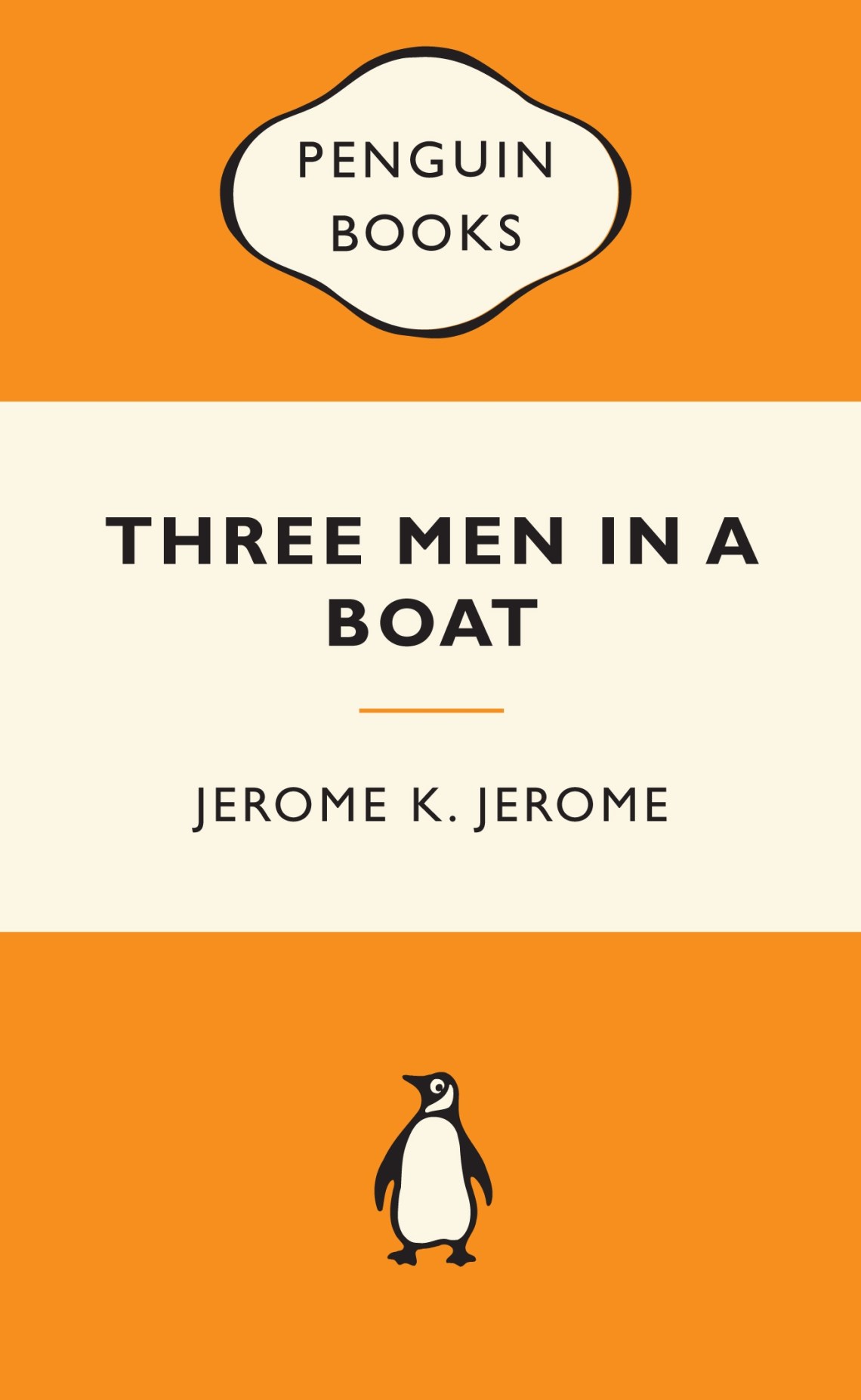
“Tre uomini in barca (per non parlare del cane)”: è stato mio padre a regalarmi questo libro quand’ero ragazzina. Mi ricordo di averlo letto con piacere e di averlo preso molto sul serio, al punto da applicare, per anni, la regola del “Se vuoi far bollire l’acqua velocemente, ignora la pentola e ripeti ad alta voce che non hai alcuna voglia di té, gradiresti invece un po’ di limonata.” Funziona davvero. Trasferitami a Londra, è il primo libro che ho comprato in inglese. Il fatto che poi ci abbia messo un anno per iniziarlo è solo da imputare alla lingua e non alla mia voglia di rileggerlo: la prima pagina è sempre particolarmente ostica per chi non ha mai letto nulla in un’altra lingua (con l’intento di goderselo).
“Montmorency gave a cry of joy (…) his victim was a large black Tom. I never saw a larger cat, nor a more disreputable-looking cat. It had lost half its tail, one of its ears, and a fairly appreciable proportion of its nose. It was a long, sinewy-looking animal. It had a calm, contented air about it.
Montmorency went for that poor cat at the rate of twenty miles an hour; but the cat did not hurry up – did not seem to have grasped the idea that its life was in danger. It trotted quietly on until its would-be assassin was within a yard of it, and then it turned round and sat down in the middle of the road, and looked at Montmorency with a gentle, inquiring expression, that said: ‘Yes! You want me?’. Montmorency does not lack pluck; but there was something about the look of that cat that might have chilled the heart of the boldest dog. He stopped abruptly, and looked back at Tom. Neither spoke; but the conversation that one could imagine was clearly as follows:
THE CAT: ‘Can I do anything for you?’
MONTMORENCY: ‘No – no, thanks.’
THE CAT: ‘Don’t you mind speaking, if you really want anything, you know.’
MONTMORENCY (backing down the High Street): ‘Oh, no – not at all – certainly – don’t trouble. I – I am afraid I’ve made a mistake. I though I knew you. Sorry I disturbed you.’
THE CAT: ‘Not at all – quite a pleasure. Sure you don’t want anything, now?’
MONTMORENCY (still backing): ‘Not at all, thanks – not at all – very kind of you. Good morning.’
THE CAT: ‘Good morning.’
Then the cat rose, and continued its trot; and Montmorency, fitting what he calls his tails carefully into its groove, came back to us, and took up an unimportant position in the rear. To this day, if you say the word ‘Cats!’ to Montmorency, he will visibly shrink and look up piteously at you, as if to say:
‘Please don’t.’ ”
Una parola riassume perfettamente il romanzo: umoristico. Ma proprio humor vero, quello inglese, pacato, tagliente e paradossale. Scritto nel 1889, è tutt’ora uno dei libri più popolari di sempre. Questo non vuol dire che bisogna cercare dei significati nascosti: non ce ne sono. L’espediente è una gita in barca da Kingston a Oxford, lungo il Tamigi; i protagonisti sono l’autore e due suoi amici realmente esistiti. Il prodotto doveva essere una guida dei luoghi bucolici visitati, il risultato è una serie di gag e racconti ironici sugli usi ed abitudini del tempo, sui tipici hobby da barca, sull’incapacità di venire a capo delle situazioni più semplici da risolvere.
Non consiglio “Three men on a boat” ad un adulto, perché ne prenderebbe le distanze. E’ il 2018 e leggiamo Dostoevskij e ci lamentiamo su Twitter. Ma se capitasse un nipote che ama leggere, un bambino che ha già divorato tutti i Roald Dahl, Salgari e Rodari, farei come ha fatto mio padre e gli comprerei J. K. Jerome. Subito. Perché per imparare ad usare l’ironia non è mai troppo presto.

 born after reading